Xiamen Tmax Battery Equipments Limited was set up as a manufacturer in 1995, dealing with Laboratory equipments, technology, etc. We have total manufacturing facilities of around 2, 000 square meters and more than 100 staff. Owning a group of experie-nced engineers and staffs, we can bring you not only reliable products and technology, but also excellent services and real value you will expect and enjoy.
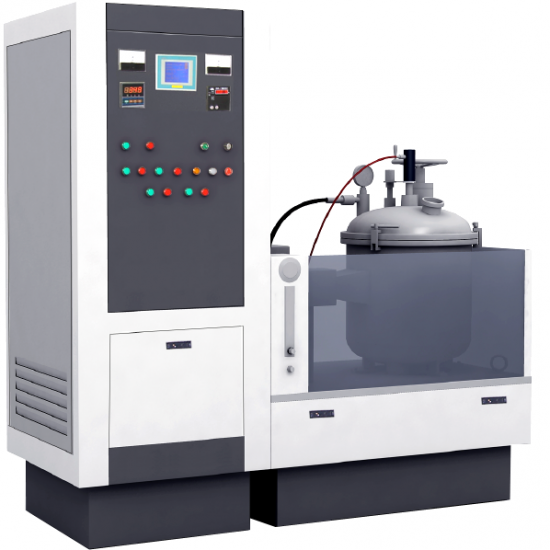
Microwave Vacuum Furnace: Advanced Equipment for High-Performance Material Processing
A microwave vacuum furnace is a next-generation thermal processing system designed for precision heating, sintering, and material treatment under controlled atmospheric and pressure conditions. Combining microwave heating with a high-vacuum chamber, this equipment enables faster, cleaner, and more energy-efficient processing compared with conventional furnaces. As advanced industries—from aerospace and energy storage to metallurgy and ceramic manufacturing—demand higher performance materials, the microwave vacuum furnace has become an indispensable tool for laboratories and production facilities.
1. Working Principle of Microwave Vacuum Furnace
A microwave vacuum furnace operates on the interaction of microwave electromagnetic waves with materials that can absorb and convert these waves into thermal energy. Unlike traditional furnaces that rely on external heating elements, microwaves heat materials volumetrically. This means the energy penetrates directly through the workpiece, generating heat from the inside out.
When combined with a vacuum environment, the system achieves several critical advantages:
* Elimination of oxidation, allowing high-temperature treatment of reactive metals and ceramics.
* Lower sintering temperatures, because microwave energy enhances molecular mobility.
* More uniform heating, reducing thermal gradients and minimizing warping or cracking.
* Cleaner processing, eliminating contamination from external heat sources or ambient gases.
The vacuum chamber is typically supported by a high-efficiency pumping system, microwave generator (magnetron or solid-state), waveguides, thermal insulation, and smart temperature-control electronics. Together, these provide precise control over temperature, pressure, and heating rate.
2. Key Features and Engineering Advantages
Modern microwave vacuum furnaces are designed with advanced mechanical and electronic components to optimize performance. Their most notable features include:
High Heating Efficiency
Microwave heating can reduce energy consumption by up to 50% compared to conventional resistance furnaces. Because energy is delivered directly to the material, heating is both rapid and highly controlled.
Enhanced Material Properties
Microwave-assisted sintering increases densification and grain bonding while reducing internal stress. Components sintered using this technology often exhibit improved strength, conductivity, or thermal stability.
Precise Vacuum and Atmosphere Control
The vacuum system ensures oxygen-free processing. Optional configurations can introduce inert gases such as argon, nitrogen, or forming gas for specialized material treatments.
Compact and Environmentally Friendly Design
A microwave vacuum furnace typically takes up less space and generates less heat waste. The design minimizes environmental impact and reduces operating costs for laboratories and industrial plants.
Microwave Sintering Furnace
Advanced Monitoring and Automation
Microprocessor-based control systems enable real-time monitoring of:
* Temperature and pressure
* Microwave power distribution
* Heating curves and sintering cycles
* Safety cutoffs and emergency shutdowns
These features ensure repeatable production outcomes and meet strict material quality standards.
3. Applications Across High-Tech Industries
The microwave vacuum furnace is widely used across industries that require precise and high-efficiency material processing. Key application areas include:
Aerospace and Defense
For sintering high-performance ceramics, carbon-carbon composites, and refractory metals used in extreme-environment components.
Energy Storage and Battery Manufacturing
Critical applications include:
* Sintering ceramic electrolytes
* Processing battery cathode and anode materials
* Carbonizing and activating carbon foam or carbon felt
The uniform and rapid heating provided by microwave vacuum furnaces shortens production cycles and improves material performance, crucial for next-generation solid-state and high-capacity batteries.
Advanced Ceramics and Metallurgy
The equipment supports sintering of:
* Silicon carbide (SiC)
* Zirconia (ZrO₂)
* Tungsten and molybdenum powders
* Magnetic materials
Microwave assistance boosts densification while lowering the final sintering temperature by several hundred degrees.
Laboratory Research and New Material Development
Thanks to its fast response and precise control, the furnace is ideal for R&D environments exploring new composites, porous materials, superconducting components, or nanomaterial processing techniques.
4. Structural Design and Configurations
Microwave vacuum furnaces are available in several configurations, depending on the intended use:
Vertical or Horizontal Furnace Body
Designed to optimize workflow and accommodate various sample sizes.
Single-Mode or Multi-Mode Microwave Cavities
* Single-mode: Suitable for small samples requiring uniform field distribution.
* Multi-mode: Designed for larger loads and industrial applications.
Graphite, Ceramic, or Composite Insulation Systems
Thermal insulation materials are selected based on the required maximum temperature and the chemical sensitivity of the processed materials.
Customizable Vacuum Levels
From medium vacuum to high vacuum, depending on the sensitivity of the application.
5. Conclusion
The microwave vacuum furnace represents a major advancement in thermal processing technology. Its unique combination of microwave energy and vacuum atmosphere enables faster heating, enhanced material properties, energy savings, and superior environmental control. As industries pursue higher performance in ceramics, metals, composites, and energy storage materials, this equipment continues to play an essential role in both research and commercial manufacturing. For facilities seeking to improve efficiency, reduce processing times, and achieve consistent high-quality results, investing in a modern microwave vacuum furnace is a forward-looking and strategically valuable choice.